Material
Describe composition, size, moisture and contamination. Include what changes between batches.
APPLICATIONS FOR MAGTHRO
BlakerTech works across metal, waste and glass recycling. The right role for MagThro depends on the feed arriving at the machine and the output you need.
01 — METAL RECYCLING
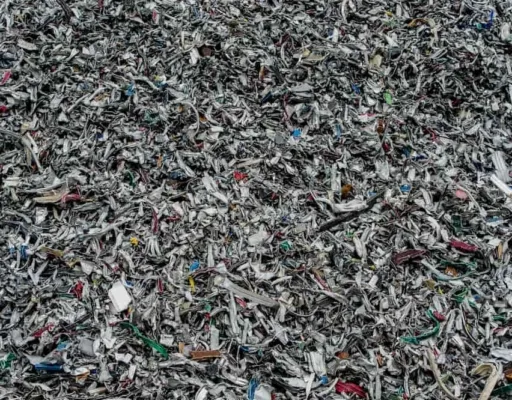
MagThro’s eddy current technology can recover conductive non-ferrous metals from shredded and mixed material. BlakerTech identifies scrap processing, automotive shred and WEEE among its applications.
The project question is not simply whether metal is present. Consider where it is being lost today, how the feed is prepared and what quality of recovered fraction your next process requires.
02 — WASTE RECYCLING
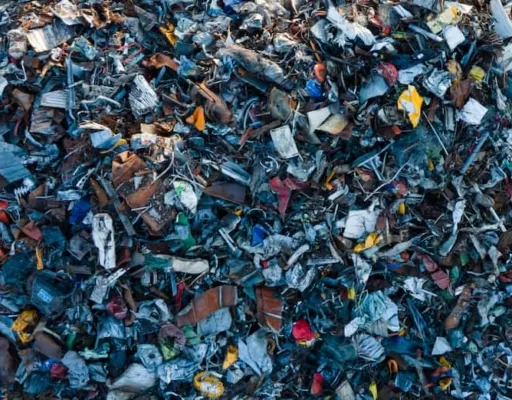
BlakerTech’s wider applications include construction waste, packaging, plastics recycling and post-shredder residues. MagThro provides a non-ferrous recovery stage within a suitably prepared process.
A waste stream can vary between loads. Describe both the usual material and the difficult batches when discussing a system, rather than selecting a sample only because it is easy to separate.
03 — GLASS RECYCLING
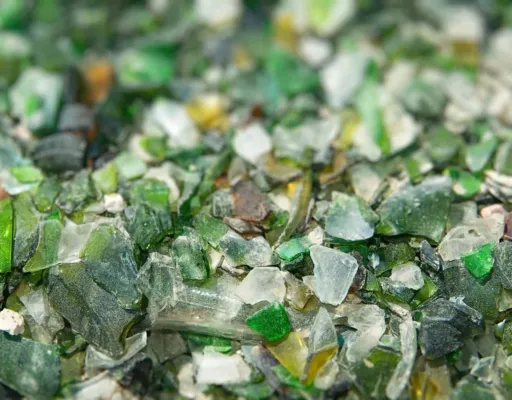
Metal contamination matters in glass recycling. BlakerTech highlights items such as caps, seals and fixtures as challenges for downstream glass processing.
MagThro can be discussed as a stage for recovering conductive non-ferrous contamination. A complete process may require other equipment for other contaminants; an eddy current separator is not a universal glass-cleaning system.
PLAN THE APPLICATION
Use these four areas to prepare for a conversation with the engineering team.
Describe composition, size, moisture and contamination. Include what changes between batches.
Explain current and intended feed rates, working hours and any upstream bottleneck.
Bring the layout, access constraints and details of existing feeding and collection equipment.
Define the fractions you want and how you will judge their usefulness. Agree trial objectives around them.